Fiscal Countries
Suggest country

Albania
Albania has been a fiscal country since 2009. It operates an online fiscalization system under which the issuance of fiscal receipts is mandatory. While a POS application does require certification, communication with the Tax Authority is required. There is no obligation for certification of fiscal devices. The official currency used in Albania is the lek (ALL).


Australia
The country is not fiscal, meaning it does not require certified fiscal devices or fiscalized POS systems.

Austria
Austria introduced fiscalization in 2016, implementing a combined hardware- and software-based model. The system requires the mandatory use of an Electronic Journal (DEP) and the application of a digital signature to ensure the integrity, authenticity, and traceability of recorded transactions. The official currency is the euro.

Belgium
The hardware-software fiscalization model was introduced in the HoReCa industry in Belgium, starting its application in 2016. Belgium adopted the euro (€) as its official currency on January 1, 1999.

Brazil
Brazil has been a fiscal country since 2005. It first had a hardware fiscalization system – a fiscal printer (ECF). The fiscal printer was replaced by the software for issuing digital fiscal receipts (NFC-e) in 2016, which is not yet mandatory nationwide. Starting in 2026, the fiscal printer will be completely phased out and the software fiscalization will be mandatory in all 27 Brazilian federal units. The official currency is the Brazilian real (BRL).

Bulgaria
Bulgaria introduced a hardware-based fiscalization system in 1997, and there are many mandatory requirements of importance for taxpayers and solution providers. The country adopted the euro (€) as its official currency on January 1st, 2026..
Chile
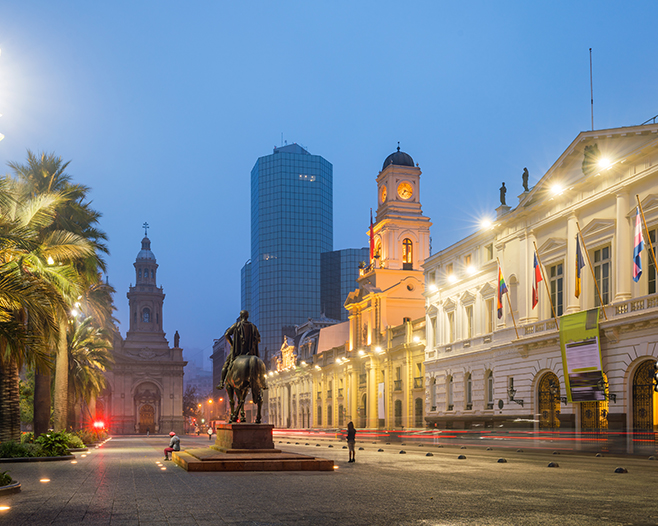
Fiscal obligations in Chile apply to all business activities that generate taxable transactions.These rules apply to physical stores, online sales, mobile and remote sales, and service provision, whether on-site or remote. In other words, Chile’s fiscal control is document-based, not device-based.

Croatia
Croatian fiscalization combines real-time electronic reporting of receipts issued to final consumers with the exchange and fiscalization of structured eInvoices for applicable domestic B2B transactions. Compliance requirements may affect POS software, receipt numbering and content, registration of business premises and electronic devices, digital certificates, communication with the Croatian Tax Administration, JIR and ZKI handling, contingency procedures, self-service devices, and eInvoice integrations.
This country overview provides a clear starting point for understanding the applicable legal obligations, technical specifications, operational procedures, and their impact on retailers, POS software vendors, accounting systems, and fiscal solution providers.
Cyprus
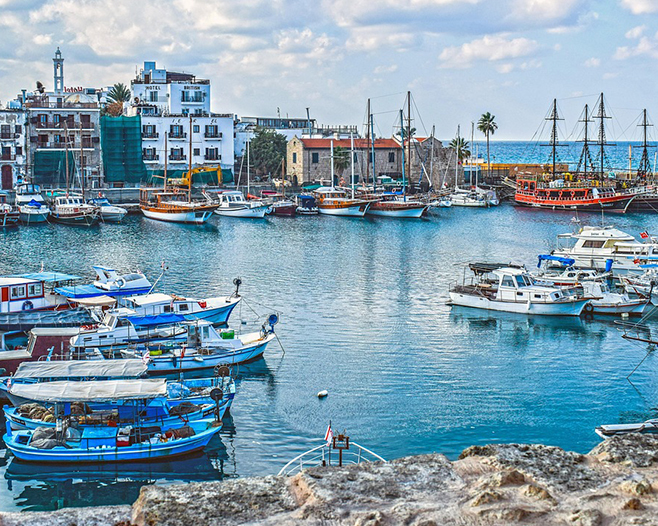
Cyprus operates a hardware-based fiscalization system under which the issuance of fiscal receipts is mandatory. While direct communication with the Tax Authority is not required, the use of certified fiscal devices is compulsory, and POS applications themselves are not subject to certification. The country has used the euro (€) as its official currency since January 1, 2008.

Czech Republic
The Czech Republic is introducing the EET 2.0 system and will gradually become a fully fiscalized country by February 1, 2027.

DEMO country
We enabled you to have complete access to the documentation that was valid when the Czech Republic was a fiscal country.
Denmark
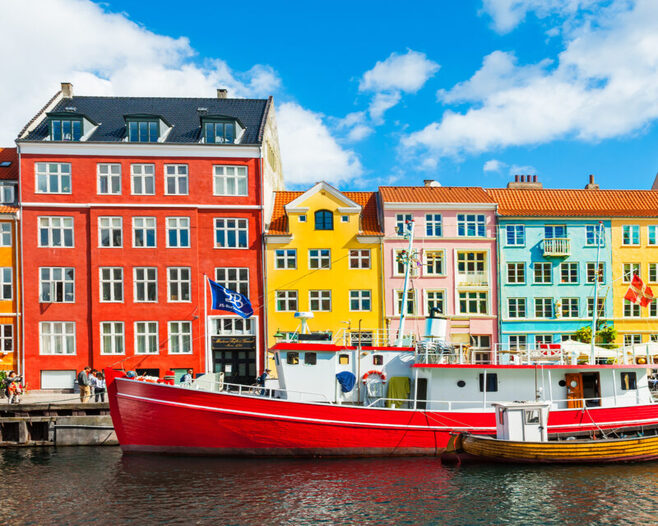
Denmark applies software-based fiscalization, with no mandatory fiscal hardware and no POS certification by the tax authority. Fiscalization was introduced in 2019 through a provision in the VAT Act regarding digital sales registration systems. The official currency is the Danish Krone (DKK).
Estonia
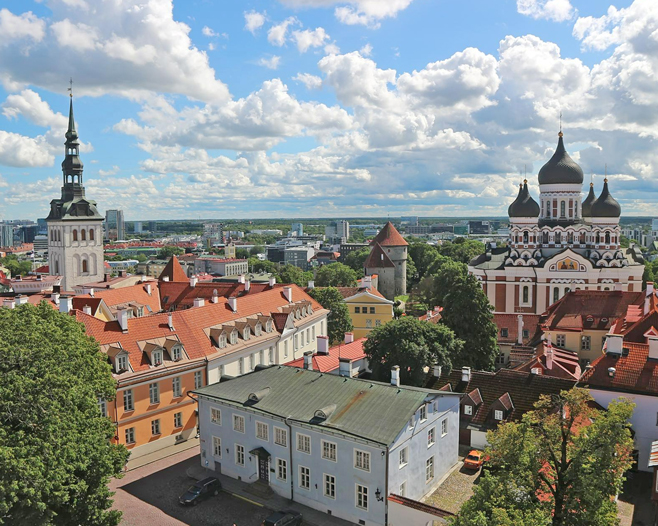
The country is not fiscal, meaning it does not require certified fiscal devices or fiscalized POS systems.

Federation of Bosnia and Herzegovina
The first fiscalization rules have been promulgated in the Federation of BIH at the beginning of 2010. The convertible mark (KM) is the currency of Bosnia and Herzegovina.

Finland
Finland is not a fiscal country, meaning it does not require certified fiscal devices or fiscalized POS systems. It uses the Euro (€) as its official currency,

France
France is considered a fiscal country and applies specific fiscalization, certification, and retail compliance requirements. The French fiscalization system is recognized for its unique characteristics and relative complexity compared to other European fiscal frameworks. The valid currency in the country of France since 1999 is EUR.

Germany
Fiscalization in Germany began in 2017 with the introduction of mandatory electronic recording systems. This framework was strengthened in 2020 by the Cash Register Security Ordinance (KassenSichV), which requires the use of a Technical Security System (TSE). As a result, Germany operates a hybrid fiscalization model, combining both hardware- and software-based components. The official currency is the euro.
Ghana
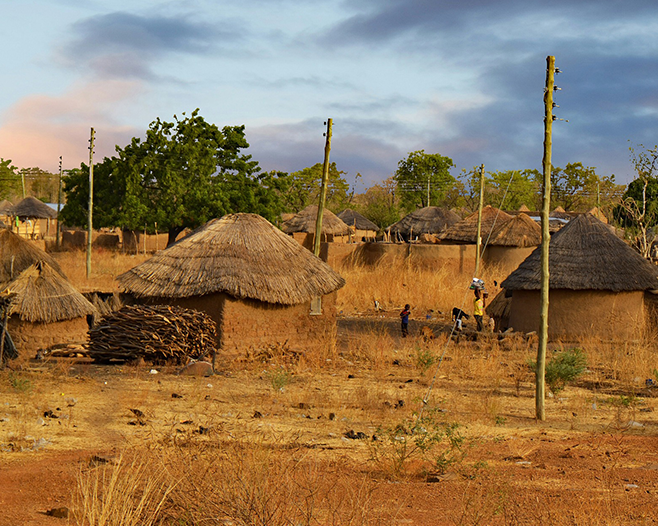
A digitally advanced fiscalization model with real-time communication of data with the tax authority has been introduced starting in 2022. The cedi (GHS). is the unit of currency of Ghana.

Greece
Greece is one of the first fiscal countries, fiscal since 1988. The current fiscal law was defined in 2013 with later amendments. Greece adopted the euro (€) as its official currency in 2001.

Hong Kong
The country is not fiscal, meaning it does not require certified fiscal devices or fiscalized POS systems.

Hungary
Compared with other fiscal countries, Hungary uses a very particular and complex type of fiscalization system, whereby a certification-complete solution must be certified. The forint (HUF) is the currency of Hungary.
Iceland
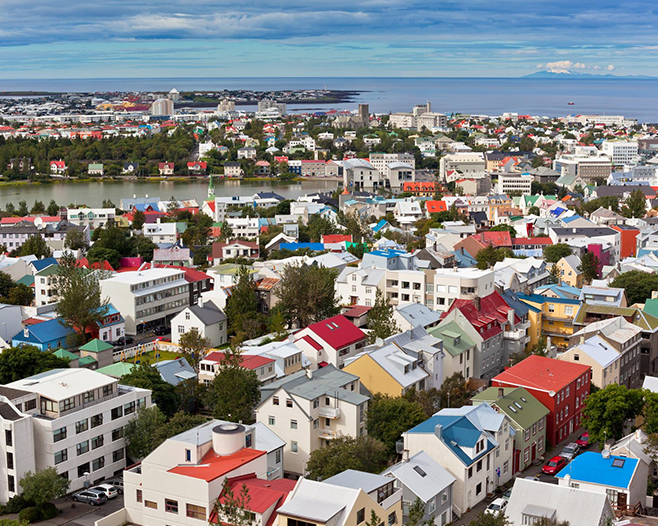
The country is not fiscal, meaning it does not require certified fiscal devices or fiscalized POS systems.

Indonesia
The country is not fiscal, meaning it does not require certified fiscal devices or fiscalized POS systems.

Ireland
Ireland is not a fiscal country, meaning it does not require certified fiscal devices or fiscalized POS systems. It uses the Euro (€) as its official currency.

Italy
Italy is the first country in Europe that has implemented fiscalization requirements. They use hardware fiscalizaton with two types of devices: RT printer and RT server. The country has used the euro (€) as its official currency since January 1, 1999.

Japan
The country is not fiscal, meaning it does not require certified fiscal devices or fiscalized POS systems.

Jurisdiction of Kosovo
Jurisdiction of Kosovo is fiscal territory since 2010. It operates a hardware-based fiscalization system under which the issuance of fiscal receipts is mandatory. While POS application does not require certification, a communication with the Tax Authority is required.
Latvia
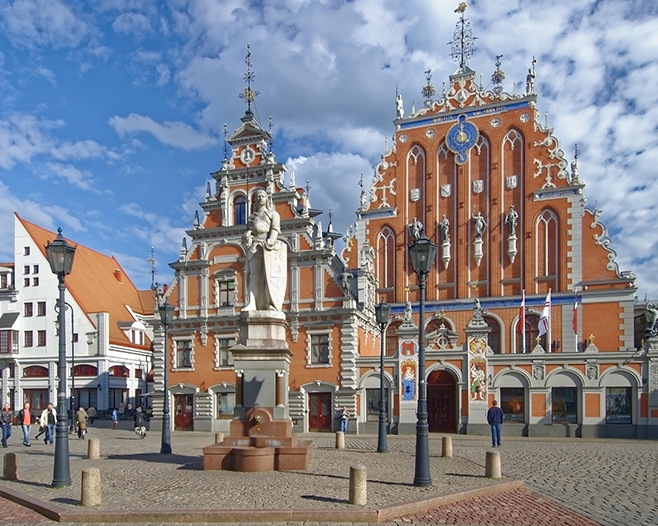
Latvia has been fiscal territory since 2014. It operates a hardware-based fiscalization system under which the issuance of fiscal receipts is mandatory. While fiscal devices have to pass a certification procedure, a communication with the Tax Authority is required but indirect. The previous Latvian currency was replaced by the euro on 1 January 2014.
Lithuania
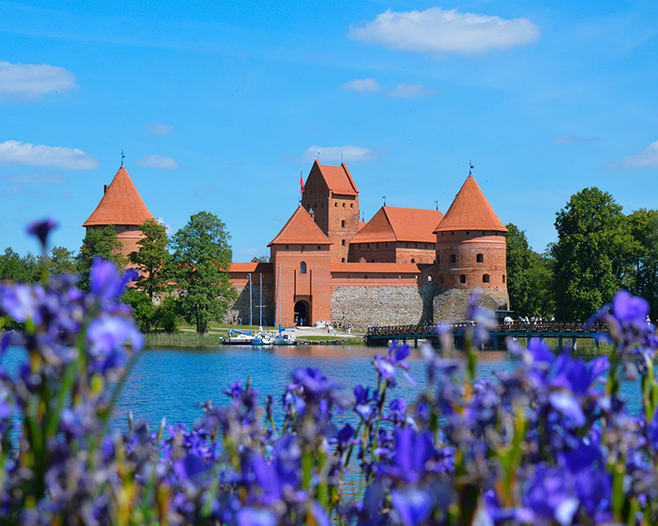
Lithuania has been fiscal since 1996 . It operates a hardware-based fiscalization system under which the issuance of fiscal receipts is mandatory. Lithuania applies a hybrid fiscalization model combining hardware-based and software-based fiscalization, with new i.EKA rules introduced from 2023 and becoming mandatory for all taxpayers from May 2025. They outline the new fiscal device requirements, including the replacement of the fiscal block with a security module for encrypted receipt signing, mandatory real-time data transmission to the tax authority, and certification of hardware cash registers and cryptographic components. Lithuania adopted the euro as its official currency on 1 January 2015.

Luxembourg
The country is not fiscal, meaning it does not require certified fiscal devices or fiscalized POS systems.

Malaysia
Malaysia uses e-invoicing platforms, such as the MyInvois System run by the Inland Revenue Board (LHDN), to implement a fiscalization process. It utilizes a Digital-First, Software-Integrated approach, eliminating the need for mandatory fiscal devices. Any internet-connected device with relevant software will have to keep an eye on transactions by 2026. The official currency is the Malaysian ringgit (RM).

Malta
POS applications require certification, there is no online communication with the tax authority, and oversight is handled by the Tax and Customs Administration (Malta).

Mexico
The online fiscalization established in Mexico is mandatory for all businesses performing economic activity. The Mexican Peso is the official currency of Mexico.
Montenegro
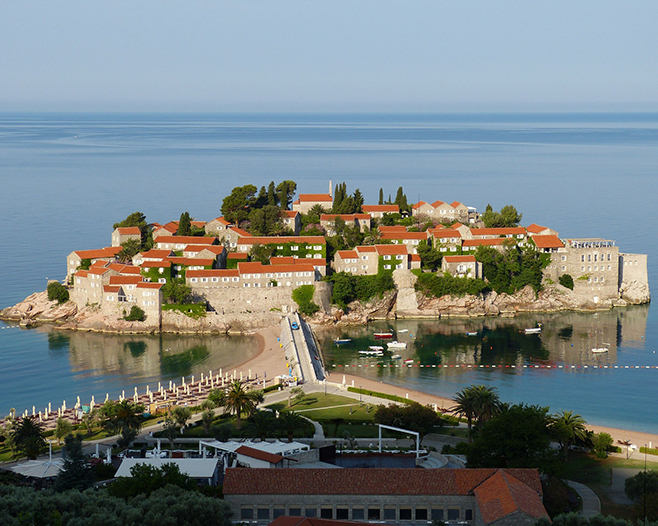
Montenegro introduced online fiscalization system in 2019. Fiscal regulation requires fiscalization subjects to be registered businesses that issue receipts using POS systems capable of digital certificate–based signing and internet communication, with each receipt transmitted in real time to the government server for authorization and assignment of a JIKR. The currency in Montenegro is the euro.

Netherlands
The Netherlands is not a fiscal country, meaning it does not require certified fiscal devices or fiscalized POS systems. It uses the Euro (€) as its official currency.
North Macedonia
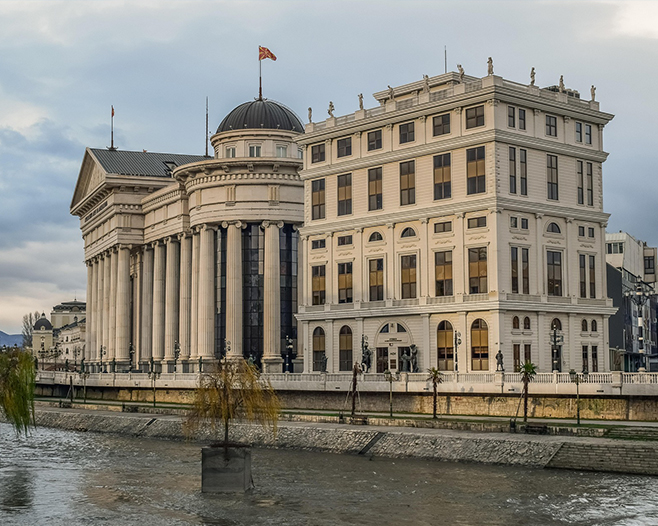
North Macedonia has been fiscal territory since 2001. It operates a hardware-based fiscalization system under which the issuance of fiscal receipts is mandatory. While a POS application does not require certification, a communication with the Tax Authority is required. The official currency is the Macedonian Denar (MKD).

Norway
Norway applies a mandatory software-based fiscalization system for all cash sales, in force since January 1, 2017 (with a transition period until 2019). The official currency is the Norwegian Krone.

Other countries
This section applies to all those countries which are not presented as individual countries on our portal, such as Vietnam, India, Saudi Arabia, Canada, the United States, New Zealand, Colombia, etc.

Philippines
The Philippines implements a fiscalization process using certified POS hardware and software that generate structured invoices, digitally sign transaction data, and report sales to the Bureau of Internal Revenue (BIR) in near real-time. It utilizes a hardware- and software-based approach, requiring sales devices to be registered and certified by tax authorities. Under the Ease of Paying Taxes Act and TRAIN law, the country is rolling out a mandatory Electronic Invoicing System (EIS) for major taxpayer groups. The official currency is the Philippine Peso (PHP).
Poland
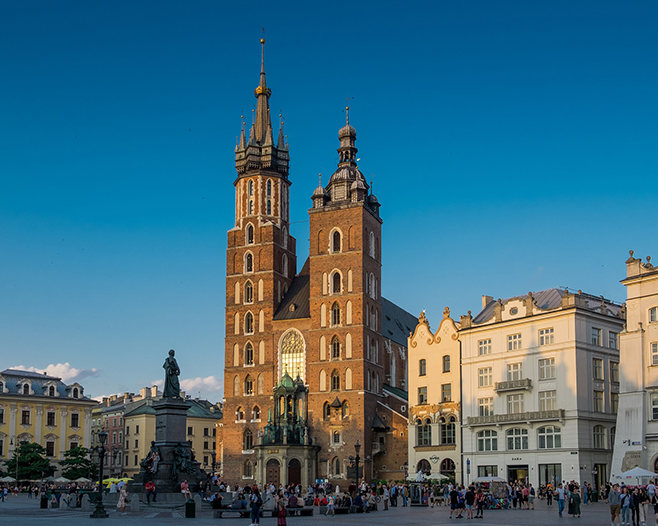
Fiscalization was first introduced in Poland in 1993. Four types of devices are used for fiscalization: fiscal printers, electronic cash registers (all-in-one devices), online cash registers or online printers with integrated online checkout, and virtual cash registers for specific groups of taxpayers. The country uses the zloty (PLN) as its official currency.
Portugal
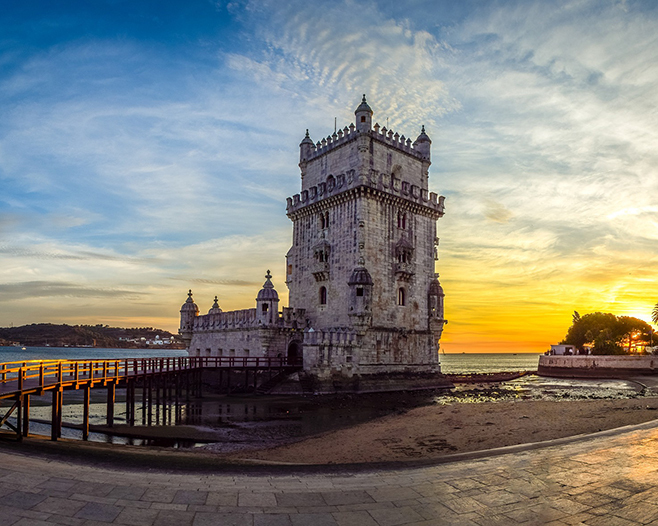
The Portuguese fiscalization system is the part of the systems which can be classified as software-based fiscalization with no specific hardware or fiscal device requirements. The country was one of the first countries to adopt the euro (€) on 1 January 1999.

Qatar
The country is not fiscal, meaning it does not require certified fiscal devices or fiscalized POS systems.

Republic of Srpska
The Republic of Srpska became a fiscal country in 2007, by combining hardware and software fiscalization model. The convertible mark (KM) is the currency of the Republic of Srpska.

Romania
Romania, as a hardware-based fiscal country, has been on the map of fiscal countries since 1999. The currency in Romania is the Romanian leu (RON).

Serbia
The current Law on fiscalization, which has introduced a combination of SW and HW fiscalization in Serbia, has been in effect since January 1st, 2022. The issuance of fiscal receipts is mandatory, as well as online communication with the Tax Authority. POS applications have to be certified. The official currency in Serbia is the Serbian Dinar (RSD).

Singapore
The country is not fiscal, meaning it does not require certified fiscal devices or fiscalized POS systems.

Slovakia
The fiscalization system in Slovakia is a specific mix of the fiscalization requirements in relation to hardware devices and software solutions. It is obligatory to use certificated fiscal devices, as well as to establish an obligatory online connection of all cash registers to the eKasa system. The country adopted the euro (€) on 1 January 2009.

Slovenia
Slovenia has implemented an online fiscalization model. Receipts can be issued on either mobile or standard POS devices. On the other hand, there are no specific hardware requirements. The currency the Slovenians have used since January 1, 2007, is the euro (€).

Spain
Spain is currently a non-fiscal country, except for the Basque region, which has implemented a software-based system. There are no predefined rules in the terms of from which media VAT needs to be calculated on. The country was one of the first countries to adopt the euro (€) on 1 January 1999.

Sweden
Fiscalization has been mandatory in Sweden since 2010, requiring all cash and card transactions to be recorded through a cash register system. The Swedish krona (SEK) is the official currency of Sweden.

Switzerland
Switzerland is not a fiscal country, meaning it does not require certified fiscal devices or fiscalized POS systems. It uses the Swiss franc (CHF) as its official currency.

Turkey
Turkey was one of the first countries to introduce fiscalization in 1985, mandating the use of pre-certified cash registers for VAT taxpayers of a certain size and business field. In 2013, the New Generation Cash Registers were introduced, at first only for roadside parking purposes, and later available for VAT taxpayers. The hardware fiscalization system was dominant in Turkey until 2020, when the software fiscalization system was introduced, resulting in Turkey having two types of fiscalization systems today. The official currency is the Turkish lira (TL).

United Kingdom
UK is not a fiscal country, meaning it does not require certified fiscal devices or fiscalized POS systems. The valid currency in the country is GBP (British pound/pound sterling).
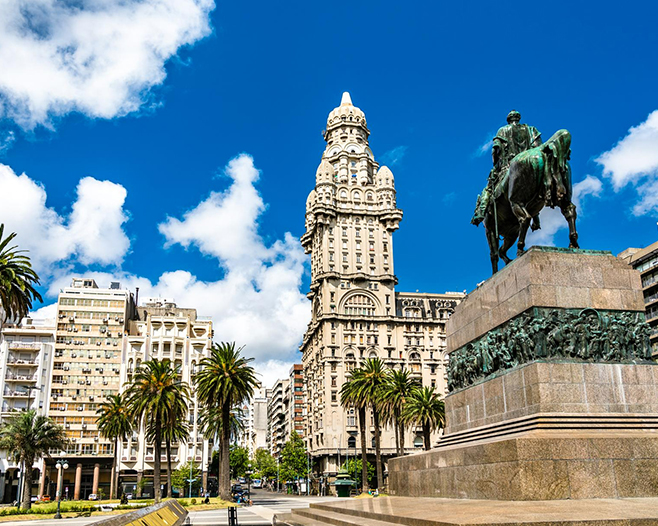
Uruguay
In Uruguay, POS applications does not require certification, communication with the Tax Authority (DGI) is online and two way.